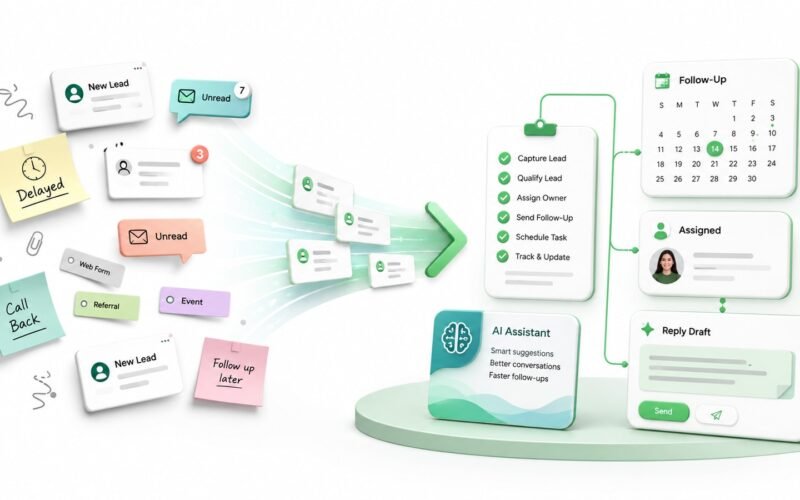
Many service-based businesses are active online, but activity is not the same as direction. A team may post on social media, update a website occasionally, send an email when there is an offer, and create videos when there is time. The problem is that the content is often disconnected from the way people discover, trust, compare, and enquire about the service.
A strong digital media plan for service businesses turns content from random output into a connected system. It helps every page, post, video, email, and follow-up support a clearer business goal. The aim is to make each channel work together so potential clients understand the offer, see proof, and know what to do next.
Before: Random Posting Without a Journey
The random posting approach usually starts with good intentions. Someone takes a photo, writes a quick caption, reposts a testimonial, shares a promotion, or uploads a short video. Over time, the business has content, but no clear path for the customer.
- Messages are repeated everywhere. The same idea is copied across each platform, even when every channel has a different role.
- The website is separate from social media. Posts create attention, but they do not guide people to a useful service page, enquiry form, or booking step.
- Email is used only for promotions. Leads and past clients are not nurtured with helpful updates, reminders, or service education.
- Video content has no clear purpose. Reels and clips may look good, but they do not answer key questions or support the sales process.
- Performance is reviewed too lightly. Teams look at likes and reach, but not always at enquiries, consultation requests, or quality of client conversations.
After: A Connected Digital Media Plan
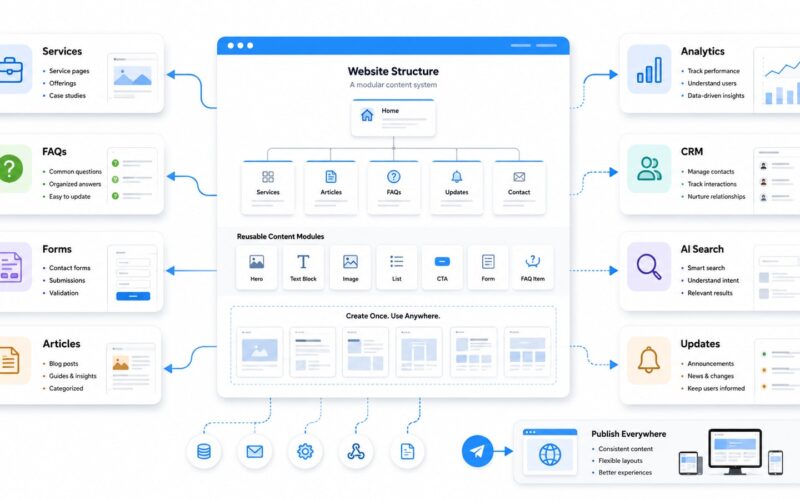
A connected digital media strategy starts with the client journey, not the content calendar. It connects five practical areas: website pages, social media, email, video, and performance review. Each area has a role, and the value comes from making them work together.
1. Start With One Service Journey
Choose one important service and map the journey from first awareness to enquiry. What problem do you solve? Who is this for? What is included? What does the process look like? What proof can you show? What happens after someone enquires?
This turns a broad service into a practical implementation guide. Instead of saying that your business offers professional support, break the service into steps a client understands: consultation, planning, production, approval, delivery, support, and review.
2. Build the Website as the Trust Hub
Your website should not only act as an online brochure. It should be the place where scattered attention becomes informed interest. A good service page can explain the offer, show examples, answer common questions, describe the process, and guide visitors to the right enquiry action.
In a connected plan, social posts and emails should point back to useful website content. A post about a client problem can lead to a service page. A short video explaining a process can lead to a case study. An email update can lead to a booking page or consultation form. This is where website social media email strategy becomes practical.
3. Give Social Media a Clear Job
Social media should not carry the full responsibility of selling. For service businesses, it works best when it supports visibility, education, and proof. Awareness posts explain the problem. Educational posts show how to think about the service. Trust posts show results, process, testimonials, team expertise, or behind-the-scenes work. Action posts guide people to enquire, book, download, or request support.
This creates a stronger service business content strategy because posts become part of a monthly story, not isolated updates.
4. Use Email and Video With Purpose
Email is often underused by small teams. Email gives you a way to stay useful with service tips, project stories, checklists, or short guides that help people make better decisions.
Video does not need to be complicated. A service-based business can use short videos to explain a process, answer common objections, introduce the team, show the work environment, or compare options. The key is to link every video to a page, campaign, or enquiry flow.
A Simple Monthly Framework
To make content planning for service businesses easier, use this structure:
- Choose one focus service.
- Define one audience problem.
- Improve one website or landing page.
- Plan four to eight social posts.
- Create one or two videos.
- Send one useful email.
- Review performance. Look at enquiries, clicks, saves, replies, page visits, and conversation quality.
This approach keeps the plan realistic for small teams. It also supports better digital content performance because every channel is connected to the same business objective.
What Changes When the Plan Is Connected?
The biggest change is clarity. The business knows what it is promoting, why it matters, where each piece of content should lead, and how success will be reviewed. The audience gets a clearer experience through useful explanations, proof, reminders, and obvious next steps.
A connected plan also makes automation and AI more useful. Teams can use tools to organise ideas, repurpose approved messages, prepare calendars, summarise performance, and keep the workflow consistent. The system matters more than the tool.
At Digivolve Media, this is where digital strategy connects with websites, content workflows, video, automation, and platform thinking. A practical media plan helps service-based businesses move from scattered posting to a more organised digital presence that supports trust, enquiries, and long-term growth.